About Us
 While Australia has a global reputation for world-class laboratory networks, access to these services is unfortunately not equal for everyone.
A major contributor to health inequities for many Australian First Nations peoples is the remoteness of communities and the large distances to centralised laboratories. Consequently, patients may wait days to weeks for test results, leading to loss to follow-up, delayed or missed treatment, disease progression, ongoing transmission, and substantial impacts on health and well-being.
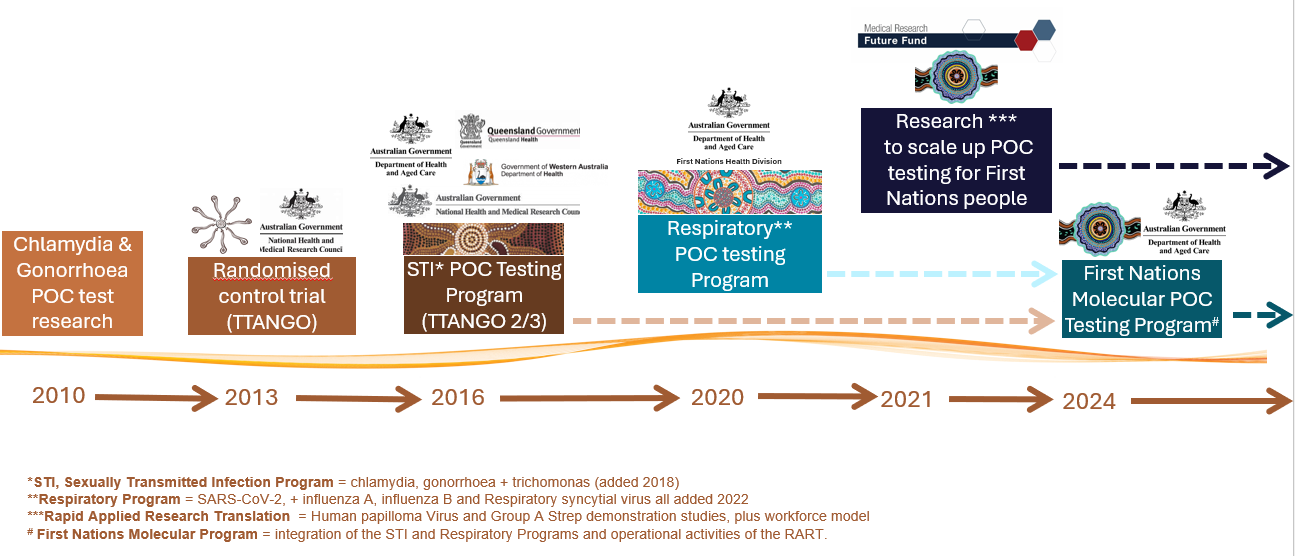
The First Nations Molecular Point-of-Care Testing Program is dedicated to improving access to timely and accurate testing for Aboriginal and Torres Strait Islander people.
The Program commenced in 2016 with molecular point-of-care (POC) testing for Chlamydia trachomatis and Neisseria gonorrhoeae, and later expanded to include Trichomonas vaginalis. During the COVID-19 pandemic, the Program was engaged by the Australian Government and the National Aboriginal and Torres Strait Islander COVID-19 Advisory Group to provide rapid molecular testing for SARS-CoV-2 for First Nations peoples living in remote communities. The Program subsequently expanded to respiratory virus multiplex testing, enabling simultaneous detection of SARS-CoV-2, influenza A and B, and respiratory syncytial virus (RSV).
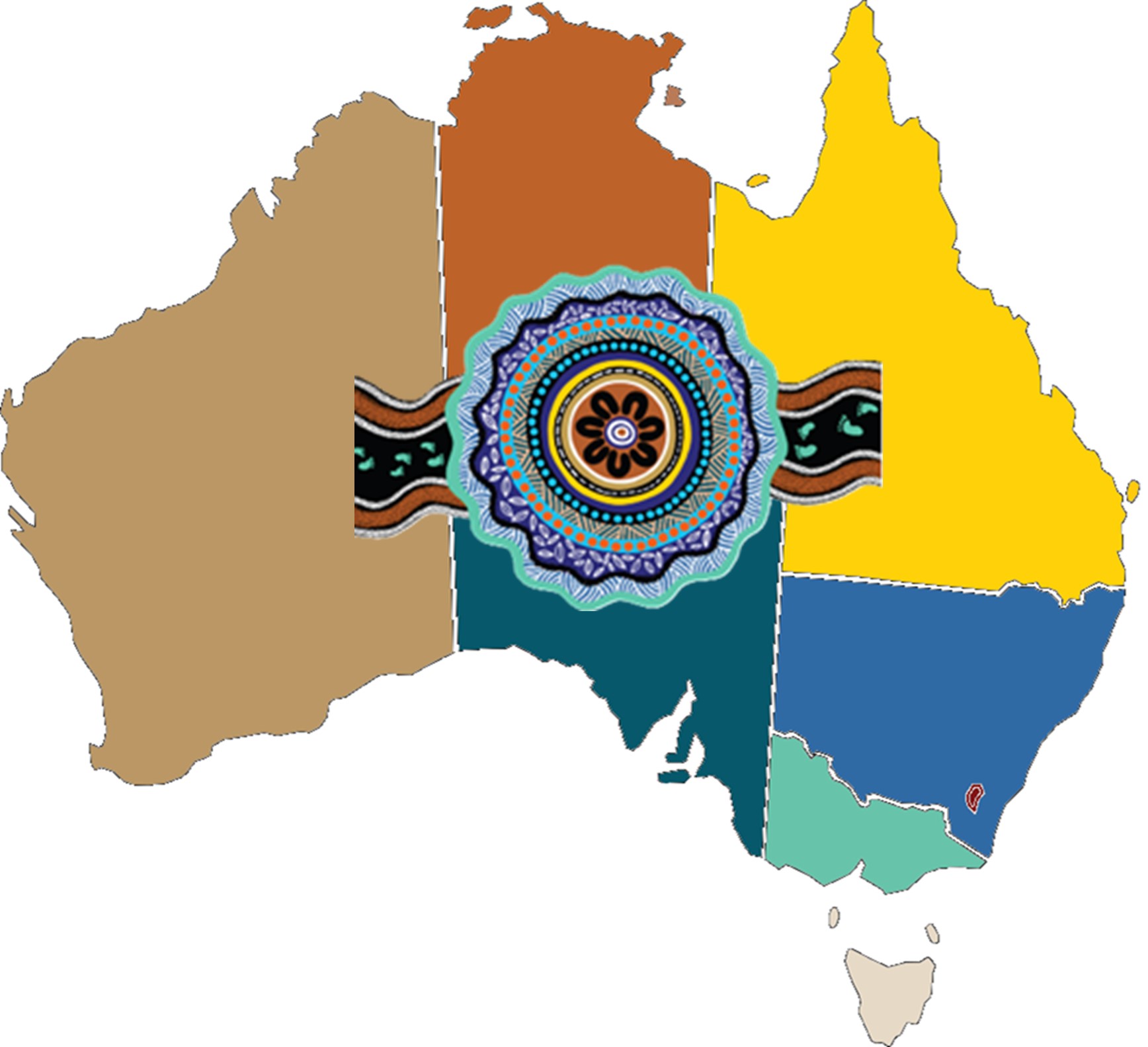
The First Nations Molecular POC Testing Program currently supports more than 80 Aboriginal and Torres Strait Islander medical services - including Aboriginal Community Controlled Health Organisations (ACCHOs) and government health services - that lead the implementation and integration of testing into local clinical pathways. These services are located in regional and remote areas across six jurisdictions: Western Australia, South Australia, the Northern Territory, Queensland, New South Wales, and Victoria.
The Program is managed, in partnership, by the Kirby Institute (University of New South Wales) and the Flinders University International Centre for Point-of-Care Testing (ICPOCT), in collaboration with Aboriginal Community Controlled Health Organisations and government.